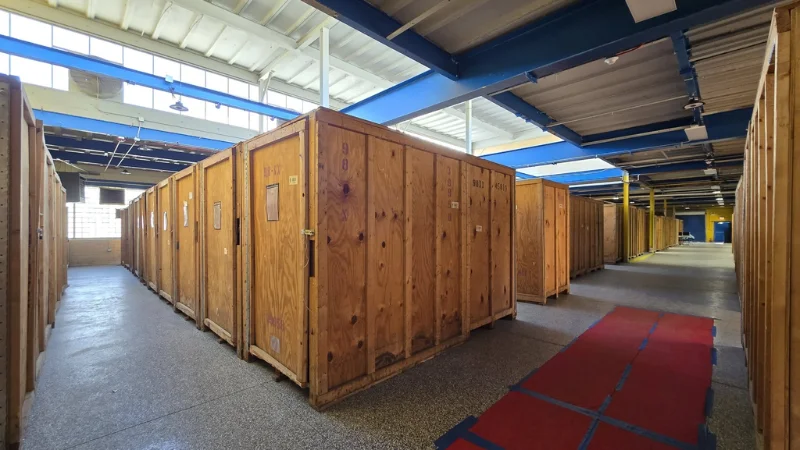
Planning a move in Chicago means more than loading boxes. The city’s weather can swing, and that matters for valuables if temperatures and humidity spike. That’s where climate-regulated storage spaces in Chicago come in. These facilities keep temperatures steady and humidity controlled, protecting furniture, electronics, paperwork, and keepsakes year round.
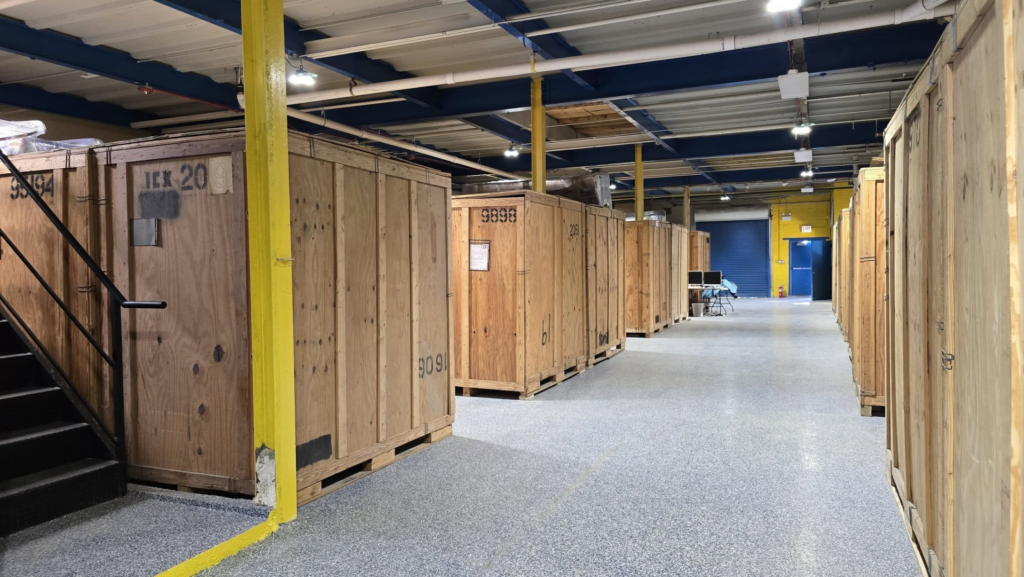
For homeowners, renters, and small businesses, a nearby option can ease timing, parking, and overall logistics when moving or shifting a workspace. Look for clear pricing and easy access so you can store while you line up movers, packing, or a short-term office change. Also check security and insurance to stay covered.
Seasonality and Climate Control
In a city that swings from humid summers to dry, chilly winters, delicate belongings rarely fare well without stable conditions. Photos and paper collectibles can fade or warp, wood furniture may crack, metals may corrode, and fabrics can develop mold when moisture rises unexpectedly. Even electronics and musical instruments benefit from a steady environment that keeps dew points in check.
By choosing a storage solution that maintains consistent temperature and humidity, you reduce the chance of hidden damage showing up after you pull items out for use. For many residents and small offices, this steady climate acts as a protective layer against Chicago’s seasonal stressors.
For those who want clarity and confidence, consider the advantages of spaces described as climate-regulated storage spaces in Chicago. These facilities monitor conditions continuously, adjust airflow, and seal against outside moisture, so items stay within safe ranges year-round. The result is fewer surprises when you revisit stored possessions, saving time, money, and worry.
If you’re coordinating a move or a renovation, this reliability becomes especially valuable, helping you stage belongings without rushing to retrieve or rescue items that have suffered from exposure.
When storage aligns with a move, practical support matters. Chicago Office Movers exemplifies how professional assistance can streamline the process:
- fast, secure relocations with minimal disruption
- experienced commercial movers who understand fragile equipment
- careful handling of sensitive items
- scheduling that flexes to your timeline
This combination can ease transitions and keep important assets protected from start to finish.
Climate-Regulated Storage Spaces in Chicago
In Chicago, seasonal swings can put stored items at risk. Climate-regulated storage spaces provide a reliable safeguard against year-round damage, keeping heat spikes and damp air from creeping into boxes and cabinets. Climate-control systems stabilize conditions, which helps reduce condensation, corrosion, and warping.
Electronics stay safer when humidity stays in check; documents stay legible; textiles resist mold; wood furniture and trim remain stable; metals are less likely to tarnish. Facilities typically feature solid insulation, continuous monitoring with sensors, and well-maintained HVAC that runs even during peak weather. Some sites also offer pest control and clean conditions that minimize dust and contamination.
When choosing a space, prioritize consistent readings and easy access to items you routinely pull. Look for:
- on-site monitors
- backup power
- good security
- insurance coverage
- clean loading bays
- convenient parking
Ask about access hours, drive-up availability, and how items are stored within aisles to minimize handling. Proximity matters for quick trips across town, and transparent pricing helps avoid surprises later. It’s worth visiting a few locations to compare how each space handles climate variation and inventory management in real-world Chicago conditions.
Features to Prioritize When Choosing a Facility
Choosing a storage space in Chicago means evaluating how well a facility responds to seasonal shifts and daily use. A dependable HVAC system is essential for keeping temperatures steady, preventing heat from degrading materials and protecting metal items from rapid condensation.
Look for facilities that demonstrate consistent temperature ranges and have backup power or heat sources to avoid abrupt changes during outages.
Humidity control is equally critical; precise humidity management reduces the risk of mold, warping, and corrosion, especially for textiles, wood furniture, documents, and electronics. Request evidence of humidity monitoring, proactive dehumidification, and maintenance logs.
Security should be front and center. Strong lighting, 24/7 surveillance, controlled access points, and on-site staff are indicators of a space that minimizes loss or tampering. Insurance coverage matters too: confirm what the facility insures, what it excludes, and how claims are handled. A transparent policy helps you gauge risk and plan accordingly.
Access policies should be explicit (hourly access windows, loading dock availability, elevator or lift capacity, and guest protocols) so you can synchronize storage with your move schedule.
Packing, Labeling, and Maintenance Best Practices
In climate-regulated storage spaces in Chicago, moisture and temperature swings are kept in check, but careful packing still matters. Start with airtight plastic totes or rigid boxes rather than flimsy cartons. Seal lids tightly and use moisture-absorbing desiccants inside each container to curb humidity that can warp paper, rust metal, or cultivate mold.
Group items by material type and place the heaviest boxes on lower shelves to prevent toppling and crush damage. For valuables, consider double-containment: a primary container inside a sturdier outer one to provide extra protection against leaks or punctures.
Clear labeling saves time and reduces handling errors. Label each box with a concise contents list, the room of origin, and the date of packing. Use durable labels or a moisture-resistant marker so handwriting remains legible across seasons. Color-code by category (documents, heirlooms, electronics) so you can locate items quickly without opening multiple containers.
A simple inventory map kept nearby helps staff or movers verify items as you populate or retrieve storage.
Shelving and layout play a big role in ongoing protection. Opt for sturdy, adjustable racks that keep boxes off concrete floors, allowing air circulation and inspection. Keep frequently accessed items near the entrance and away from corners where temperature pockets can form. Leave small gaps between stacks to permit light and air to reach every tier, helping to prevent damp spots from forming.
Consistent Climate Control as the Cornerstone of Protection
As we’ve explored, Chicago’s temperature and humidity swings threaten fragile items, making year-round climate regulation essential. Climate-regulated storage spaces in Chicago guard electronics, documents, textiles, wood, and metals by maintaining steady temperature and humidity, and by emphasizing HVAC and security.
When choosing a facility, prioritize tight humidity control, strong security, access policies, plus proper packing and condition checks to sustain protection. Having reliable support turns a potential hassle into a streamlined process.